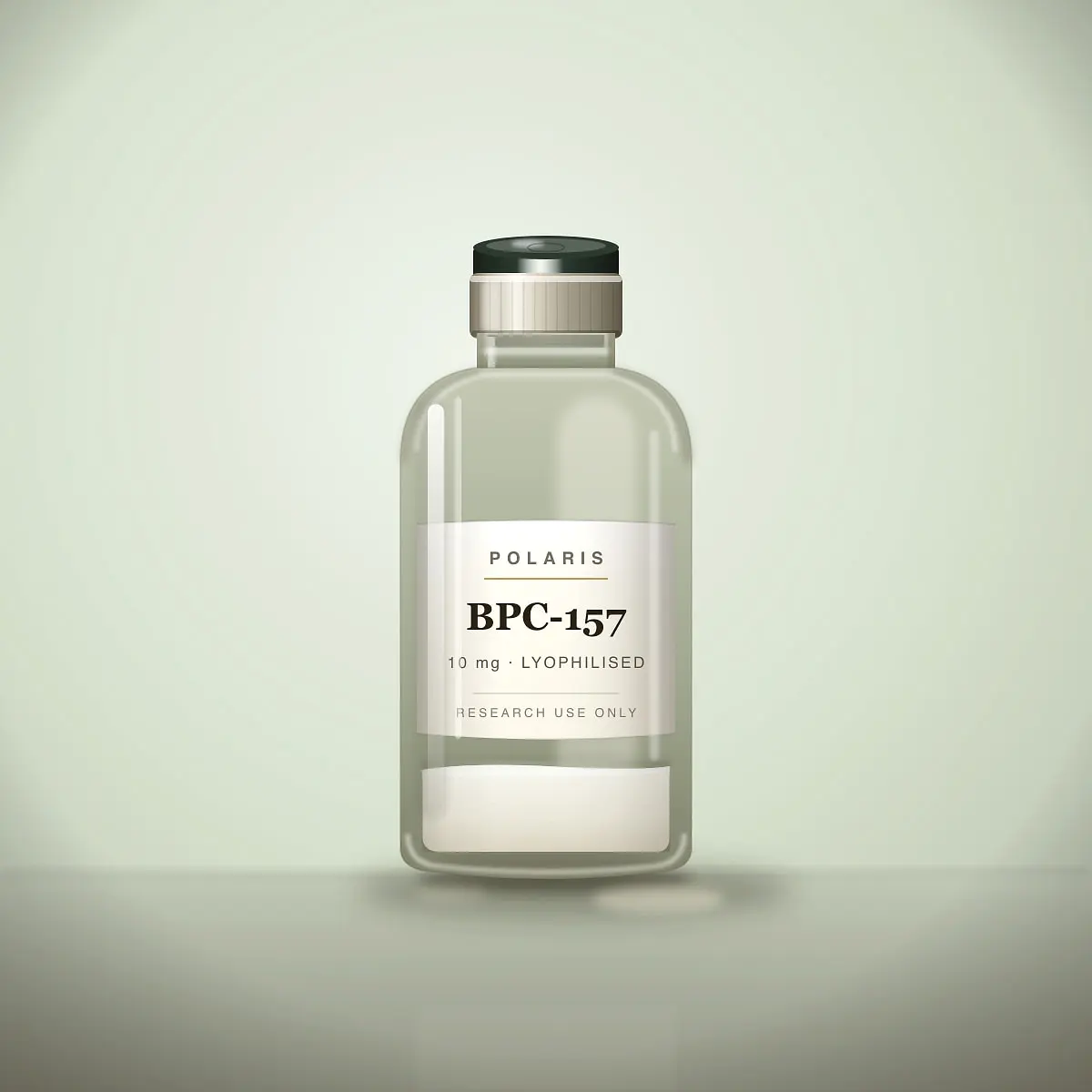
Recovery & Repair · 10mg
BPC-157 10mg
Lyophilised powder$89
Tissue repair, inflammation response, and physical recovery for researchers who move with intention.
Repair & Recover gathers the peptides most often reached for after the demands of training or injury. BPC-157 and TB-500, alone or paired, make up the core of this family, studied in preclinical and cell models for their association with tendon, ligament, and soft-tissue signalling, and with angiogenesis pathways. The blend is the most discussed recovery pairing in research circles.
Mechanism matters here more than quantity. The pairing is studied because the two compounds speak to two sides of the same goal, tissue signalling alongside recovery context, rather than pulling redundantly on one pathway. That logic (complementary, not competing) is the test of any sound combination, and it is the subject of our Art of Pairing guide.
Every order includes free Australia Post Express Delivery Australia-wide, with dispatch within 2 business days of confirmed payment and tracking on every parcel. Each vial is batch-tested with documentation you can verify online.
People thinking about tissue repair and recovery contexts, typically after the demands of training or injury.
| Compound | Vial | Price | Price per mg | Purity |
|---|---|---|---|---|
| BPC-157 10mg | 10mg · LYO | $89 | $8.90/mg | ≥99.4% |
| BPC-157 + TB-500 10mg | 10mg · LYO | $139 | $13.90/mg | ≥99.3% |
| KPV 10mg | 10mg · LYO | $89 | $8.90/mg | ≥99.5% |
| CJC-1295 + Ipamorelin 10mg | 10mg · LYO | $149 | $14.90/mg | ≥99.4% |
| CJC-1295 with DAC 5mg | 5mg · LYO | $129 | $25.80/mg | ≥99.1% |
Live catalogue pricing. Every vial includes Free Express Delivery and a batch-specific Certificate of Analysis.
Recovery & Repair · 10mg
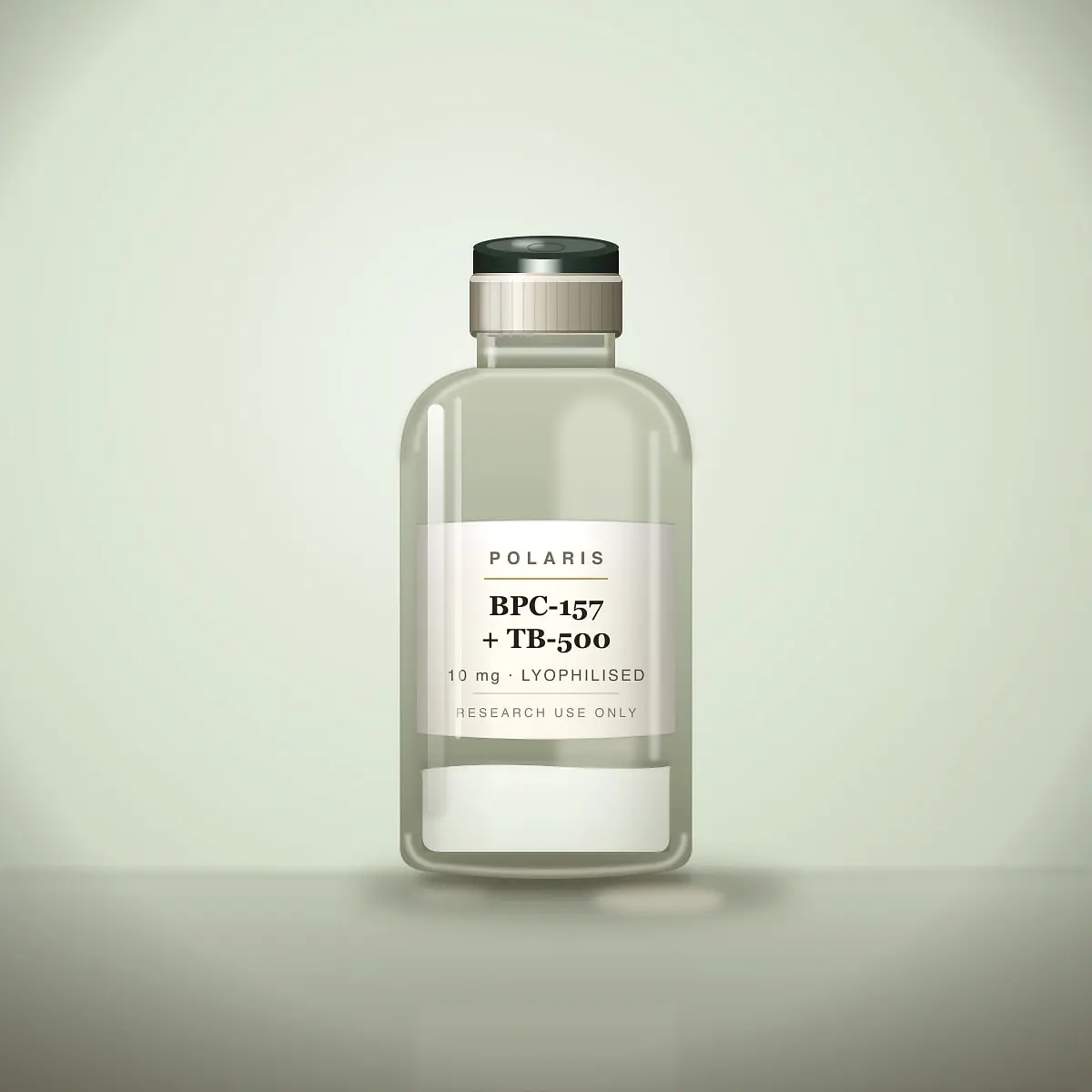
Recovery & Repair · 10mg
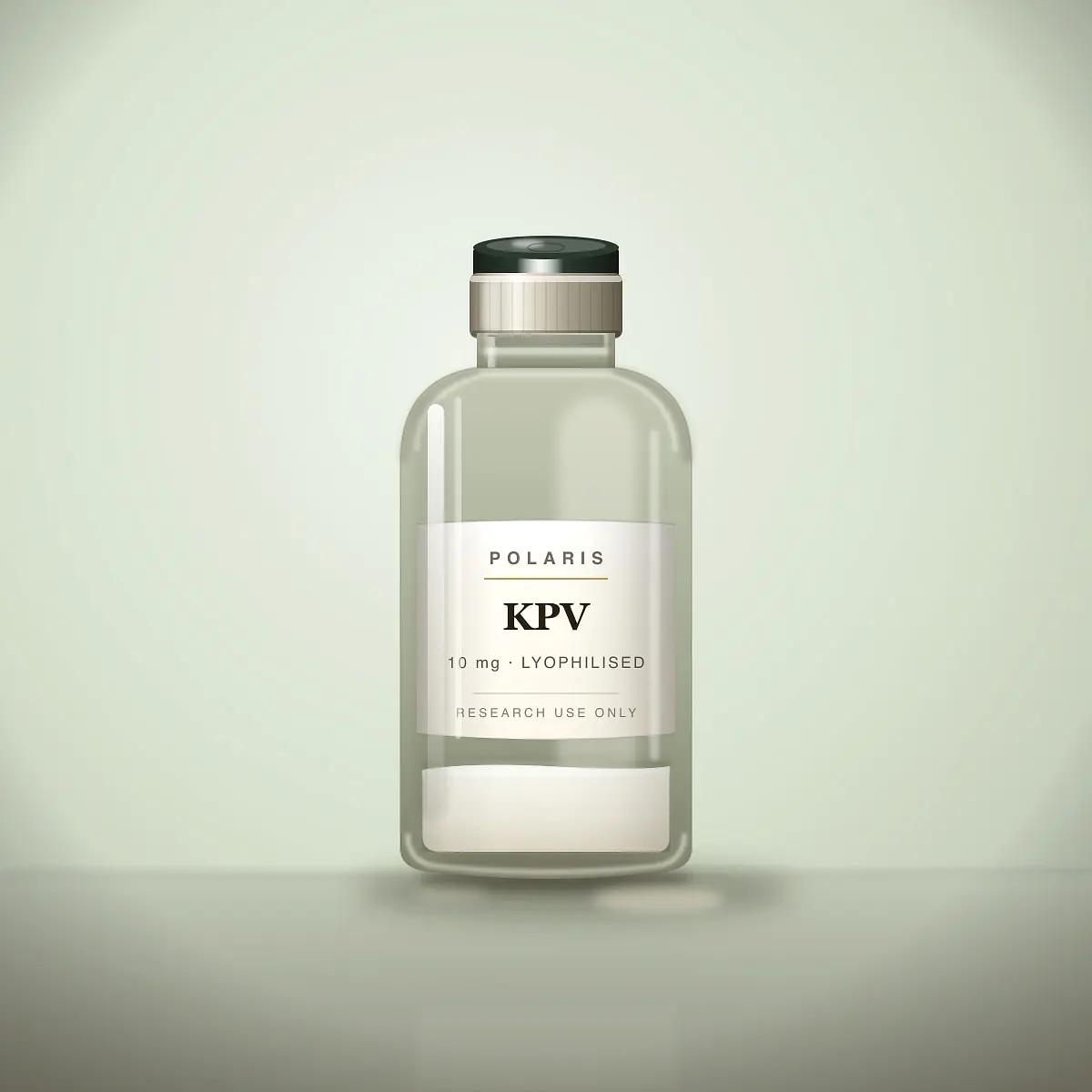
Recovery & Repair · 10mg
Ships in 7 Days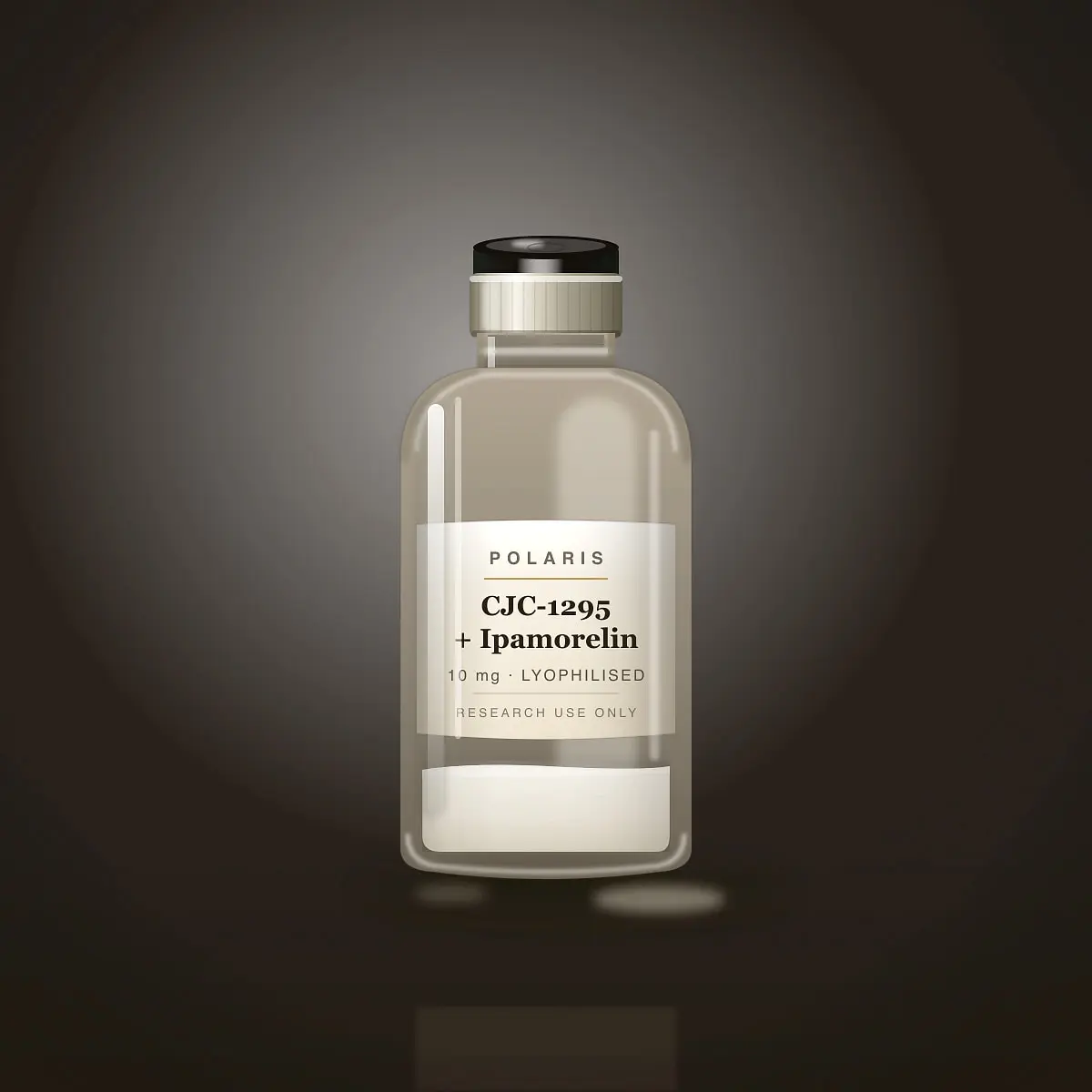
Growth & Sleep · 10mg
Ships in 7 Days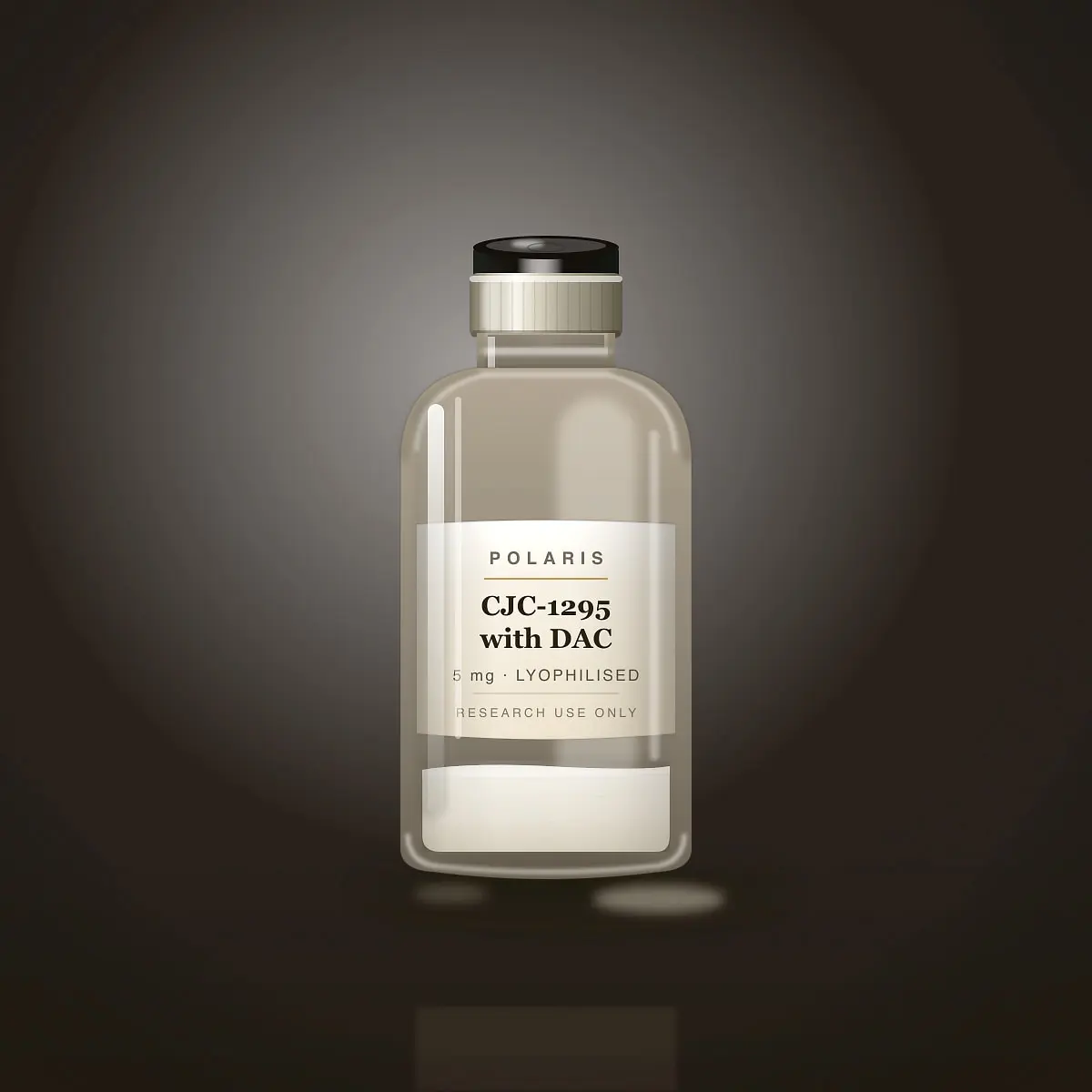
Growth & Sleep · 5mg
BPC-157 carries the deepest citation record in the recovery family, with TB-500 frequently studied alongside it. Both are available here, individually and as a single blended vial.
A single-compound vial keeps one variable isolated, which is where a study usually starts. A blend suits a later question about how two compounds behave together. Both formats are listed in the table above.
Each vial reports its own assay purity on its Certificate of Analysis, and the figures for this collection are shown in the comparison table above.

Appetite signalling and metabolic balance, built around the most studied compounds in the range.

A quieter mind and sharper attention, available as vials and ready-to-use nasal sprays.

Collagen support, cellular renewal, and the visible marks of time. Where science meets beauty.

Hormonal balance, desire, and intimate wellness, in injectable and nasal spray preparations.

Cellular energy, immune balance, and restorative sleep. The quiet foundation of any considered regimen.