Evidence & verification guide
How to Assess a Research-Material Supplier in Australia
A considered supplier assessment starts with documents and traceability, not promises. This checklist keeps the focus on what can be checked before an order is placed.
Start with the supplier’s scope
Read how the supplier describes its materials before looking at a price or a promotion. A responsible research-material supplier should clearly state the intended laboratory or in-vitro scope and should not blur that boundary with claims about treatment, consumption, or guaranteed outcomes.
That clarity is useful because it tells you what the supplier is prepared to stand behind: a labelled material, a documented batch, and a defined process for support. It is also a practical filter for separating a product specification from marketing language.
- ✓The research-use scope is stated plainly and consistently across product, policy, and checkout pages.
- ✓The product page identifies the format, quantity, and relevant specification without making outcome claims.
- ✓There is a real business identity, support channel, and published policy set.
Check that the documentation is batch-specific
The most useful document is one that identifies a particular lot or batch rather than a generic product family. The label, order record, and test report should give you a way to connect the material in front of you to the material that was analysed.
Ask whether the report is available before and after purchase, whether the supplier can explain the verification path, and whether the report names the sample or batch it covers. A polished certificate without a traceable identifier is much less informative than a simple report that can be matched to the vial.
- ✓The vial or order record carries a batch or lot identifier.
- ✓The certificate or report visibly names the same identifier, or gives a clear matching mechanism.
- ✓The supplier offers a public lookup or a direct, documented way to verify the record.
Read the certificate as a record, not a slogan
A certificate of analysis records information about the sample tested under the stated method. Read the sample or batch reference first, then the laboratory or issuer, date, method, and result. The method matters because it frames what the reported number is intended to describe.
A certificate is evidence for the sample and the test described on its face. It should not be stretched into a claim that the material is suitable for a purpose the report does not cover. That distinction is especially important for research materials, where handling and use remain the responsibility of the researcher and their institution.
Look for traceability and a clear exception path
Documentation is most valuable when something goes wrong. A supplier should be able to explain how it records the batch sent with an order and what happens if a label, report, or item appears inconsistent. Published contact, returns, and recall processes are practical evidence that the business has considered that situation in advance.
Delivery information belongs in the same assessment. Clear dispatch expectations, tracking, address support, and a way to contact the supplier all help make an online order auditable rather than opaque.
- ✓Order records retain the product and batch supplied.
- ✓The supplier publishes a way to report a documentation discrepancy.
- ✓Dispatch timing, tracking, and returns or recall information are easy to find before checkout.
What is the first thing to check when assessing a research-material supplier?
Start with scope and traceability: the supplier should describe research use plainly and provide a credible route from the batch label to its supporting documentation.
Is a generic certificate enough?
A generic certificate may describe a product category, but a batch-specific report is more useful because it can be matched to the material and order being assessed.
What should I do if a batch record does not match a label?
Pause use of the material and contact the supplier with the order and batch details. A supplier with a documented traceability process should be able to investigate the discrepancy.
Compare current research formats
Live pricing and availability are shown below. Each product page links its specification, related quantities, handling information and batch-documentation route.

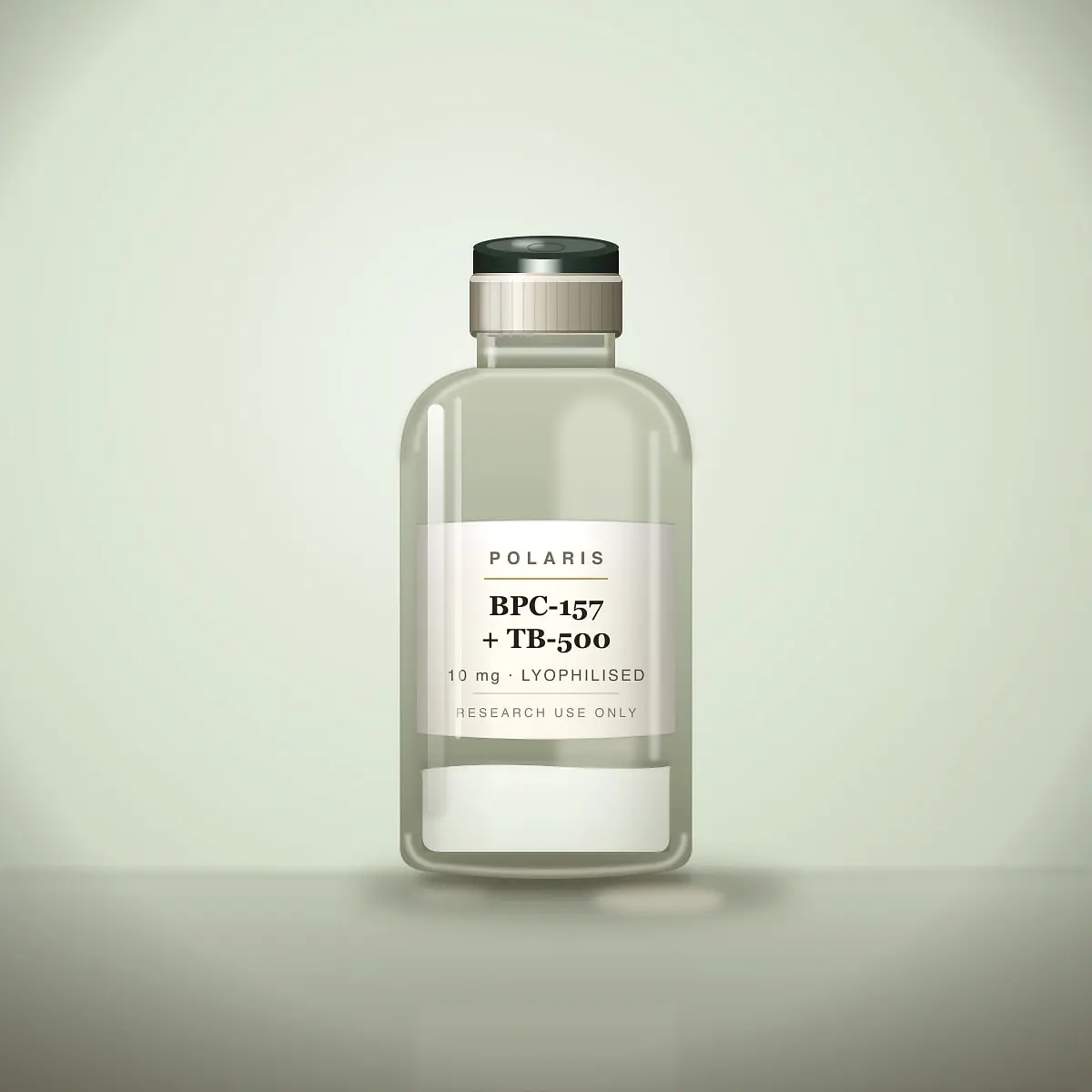


Use the published documentation and policies to check a specific batch or order.