Evidence & verification guide
How to Read a Certificate of Analysis for Research Materials
A Certificate of Analysis is most useful when it can be matched to a specific batch and read within the limits of the test it records. Start with the identity of the sample, then work through the method and result.
1. Match the report to the batch
Begin with the most concrete detail: the lot, batch, sample, or verification reference. Compare it with the identifier on the vial label or in the order documentation. If the match is not clear, ask the supplier how the report connects to the supplied material before relying on it.
Product names can be reused across many lots, while a batch identifier is intended to distinguish one production or testing record from another. That is why the batch reference should be the first check, not an afterthought.
2. Read the issuer, date, and method together
A useful report identifies who issued it, when the sample was tested or reported, and the analytical method used. Those fields help a reader understand both provenance and the question the analysis was designed to answer.
For example, a chromatographic result and a mass-spectrometry result are different kinds of observations. The report should state the method rather than asking a reader to infer it from a marketing label. When a term or chart is unclear, request the original report or clarification from the issuer instead of guessing.
- ✓Issuer or laboratory name is shown.
- ✓A testing, reporting, or certificate date is shown.
- ✓The method is identified alongside the result.
- ✓The sample or batch reference can be matched to the material being assessed.
3. Keep the result in scope
A result should be read as the reported outcome for the sample and method stated. If a certificate reports a purity or identity result, that is what it supports. It does not automatically answer every question about storage, handling, sterility, protocol design, or suitability for a particular use.
This is not a limitation to hide; it is the point of good documentation. A report that is precise about its method and sample gives researchers a more reliable basis for their own assessment than one that makes broad, unsupported assurances.
4. Verify through the supplier’s published route
A supplier should make verification practical. That might be a batch lookup, a certificate key, or a documented support process. The important part is that a customer can follow a stable path from the material’s identifier to the report without needing to rely on an image copied from a product listing.
Keep the order reference and batch record together. If a question arises later, those are the two pieces of information a supplier needs to trace the item and investigate efficiently.
What should match between a vial and a Certificate of Analysis?
The batch, lot, sample, or verification reference should provide a clear route between the label or order record and the certificate.
Does a high purity result answer every quality question?
No. It is a result within the stated test method and sample. Read the report’s scope and consult the relevant documentation for questions it does not address.
When should I contact the supplier about a certificate?
Contact the supplier when the batch cannot be matched, a field is unclear, or the label and report appear inconsistent. Keep the order and batch references available.
Compare current research formats
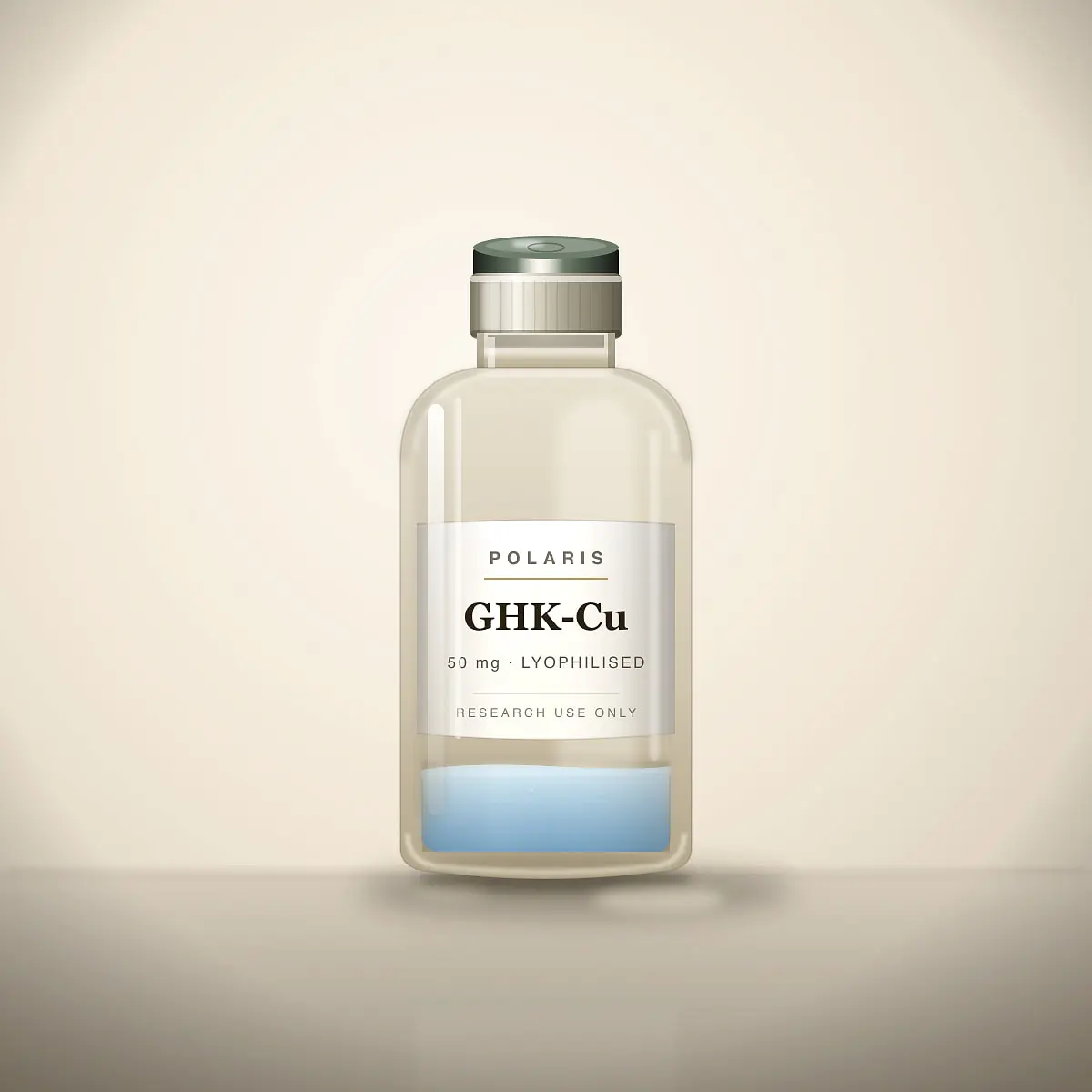
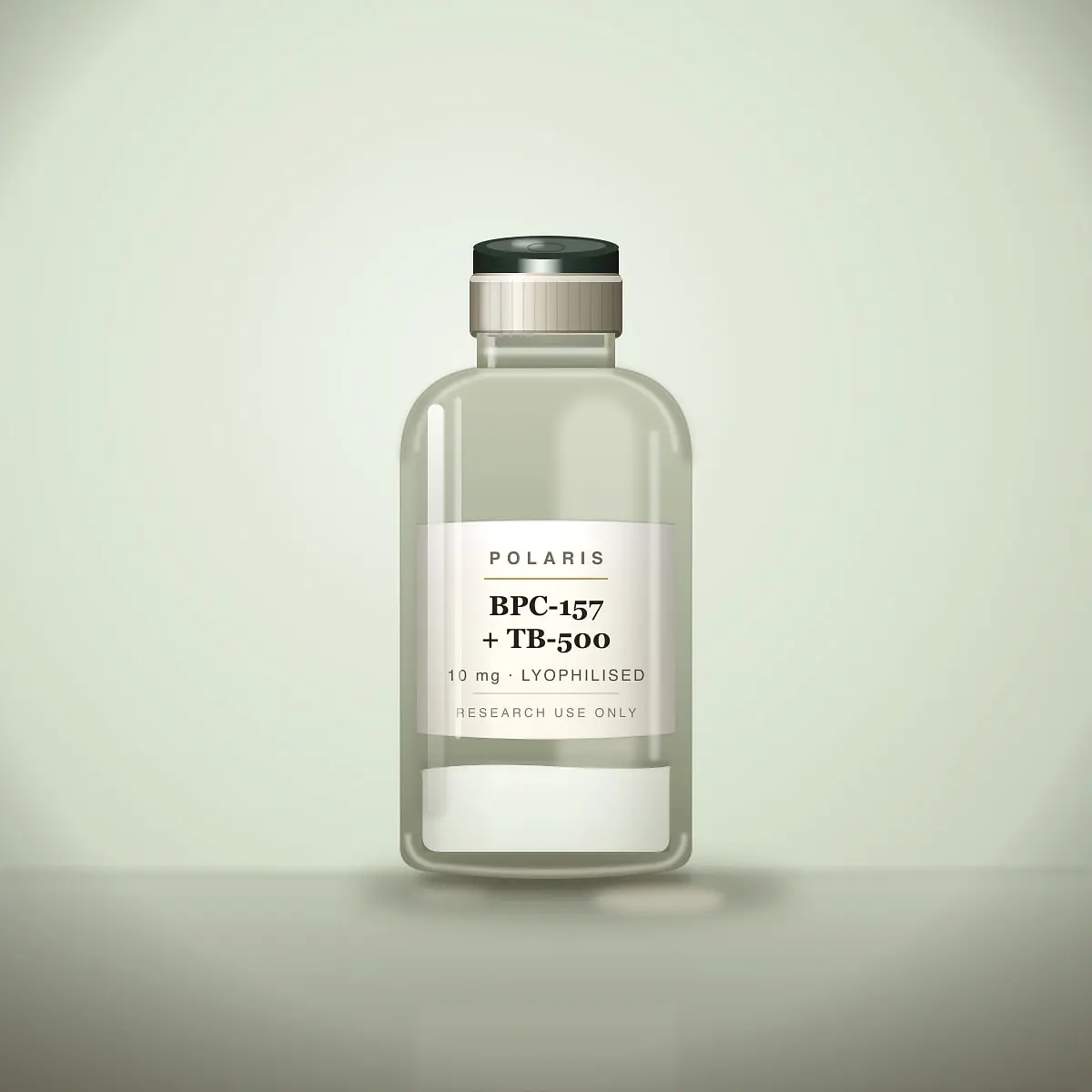
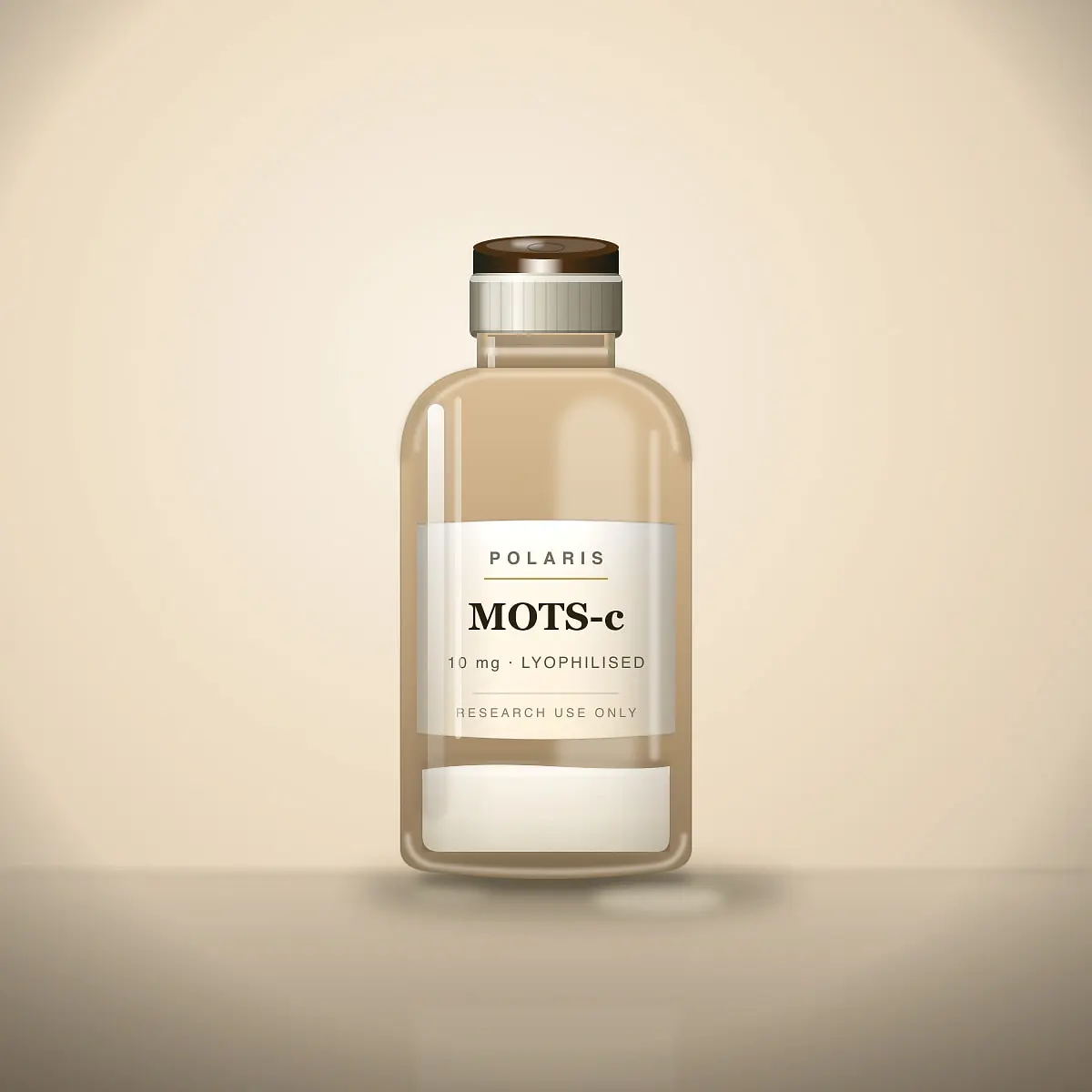
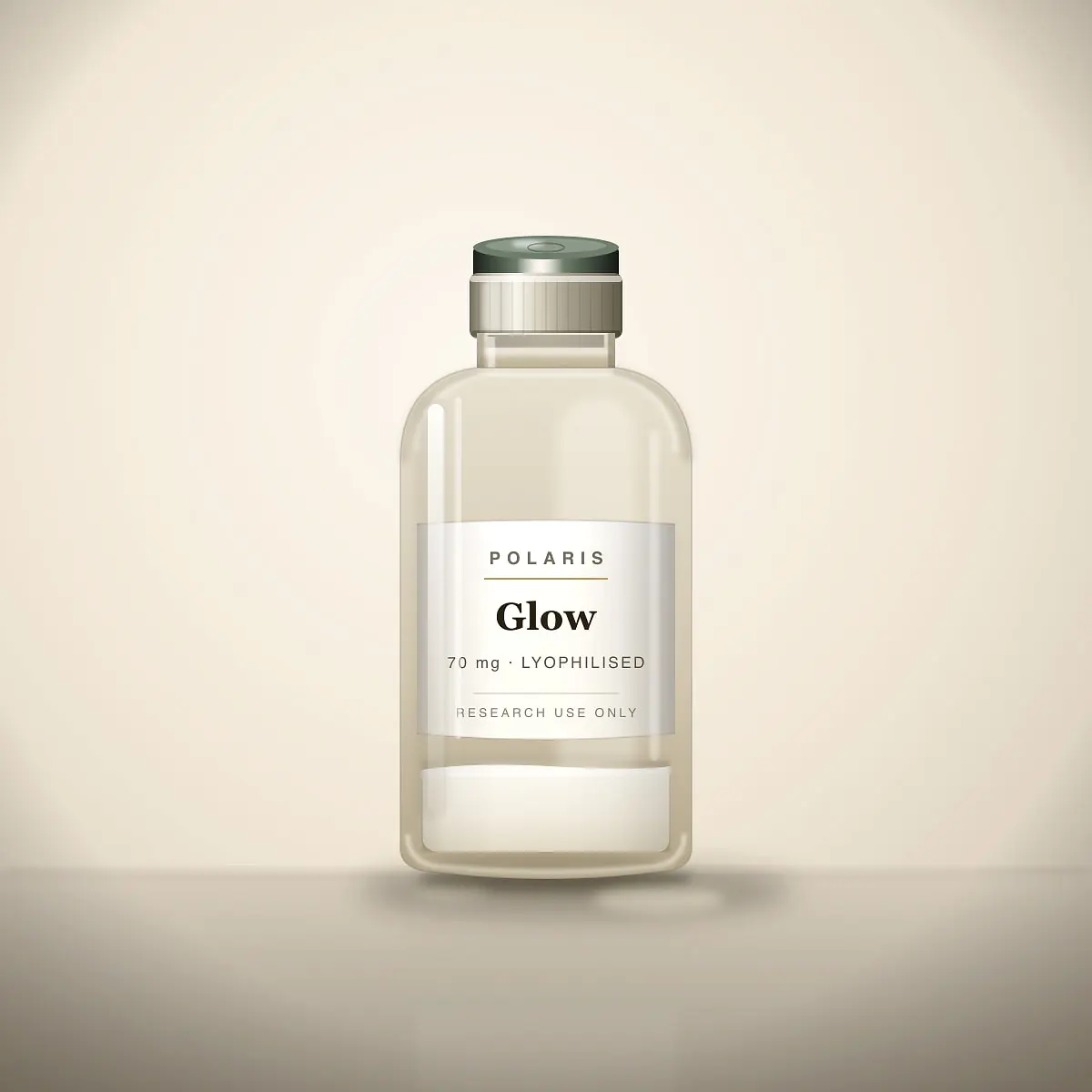
Live pricing and availability are shown below. Each product page links its specification, related quantities, handling information and batch-documentation route.
Use the published documentation and policies to check a specific batch or order.