Evidence & verification guide
Ordering Research Materials Online in Australia: What to Check
An online research-material order should leave a clear paper trail: what was ordered, how it was described, which batch was supplied, and how delivery can be tracked. This checklist helps establish that trail before checkout.
Before checkout: check the record you will be creating
A useful pre-order check is simple: can you identify the business, the material, and the evidence that supports it? Look for a clear product title and specification, a stated research-use scope, contact details, and a way to verify the relevant batch documentation.
Save the product page or specification for your records if it is important to your procurement process. That gives you a dated reference for what was represented at the time of the order, alongside the eventual order confirmation and batch information.
- ✓Supplier identity and support contact are visible.
- ✓Product format and specification are clear.
- ✓Research-use scope is stated without consumption or therapeutic claims.
- ✓A batch-documentation or verification route is published.
During checkout: keep the details consistent
Use an address and email that can receive delivery updates and order records. Check that the products, quantities, price, discount, and delivery information shown before payment match what you intend to order. A confirmation email should make it possible to retrieve those details later without relying on browser history.
A research-use acknowledgement is not a substitute for your own procedures, but it is a helpful signal that the supplier has defined the scope of supply. Read it rather than treating it as routine checkout copy.
After payment: retain the chain of evidence
Keep the order reference, payment confirmation, dispatch notice, tracking number, and batch or certificate reference together. For a laboratory or procurement file, this is the practical chain that connects the product chosen online to the item received.
On delivery, inspect the packaging and label before putting the material into your existing handling process. If an identifier is unclear or a document cannot be matched, pause and contact the supplier with the order reference rather than trying to resolve it from memory.
- ✓Order confirmation and payment record retained.
- ✓Dispatch and tracking details retained.
- ✓Batch or lot identifier recorded from the received label.
- ✓Certificate or verification record matched to that identifier where applicable.
Choose support you can actually use
A support promise is only helpful if it has a clear route: a published contact method, stated response expectations where available, and policies that explain delivery, returns, and batch issues. These are operational details, but they are also trust details.
For research materials, the most useful customer-service conversation is specific. Have the order reference, product, batch identifier, and the question about the documentation ready. That helps the supplier trace the record and gives you a written resolution for your own files.
What records should I retain for an online research-material order?
Retain the product specification, order and payment confirmation, delivery tracking, batch or lot identifier, and the associated certificate or verification reference where applicable.
Why does a research-use acknowledgement matter at checkout?
It makes the supplier’s intended scope of supply explicit. It does not replace a researcher’s own institutional procedures, risk assessment, or documentation.
What if delivery details or a label look wrong?
Contact the supplier promptly with the order reference and the specific discrepancy. Keep the packaging and label available while the issue is investigated.
Compare current research formats
Live pricing and availability are shown below. Each product page links its specification, related quantities, handling information and batch-documentation route.

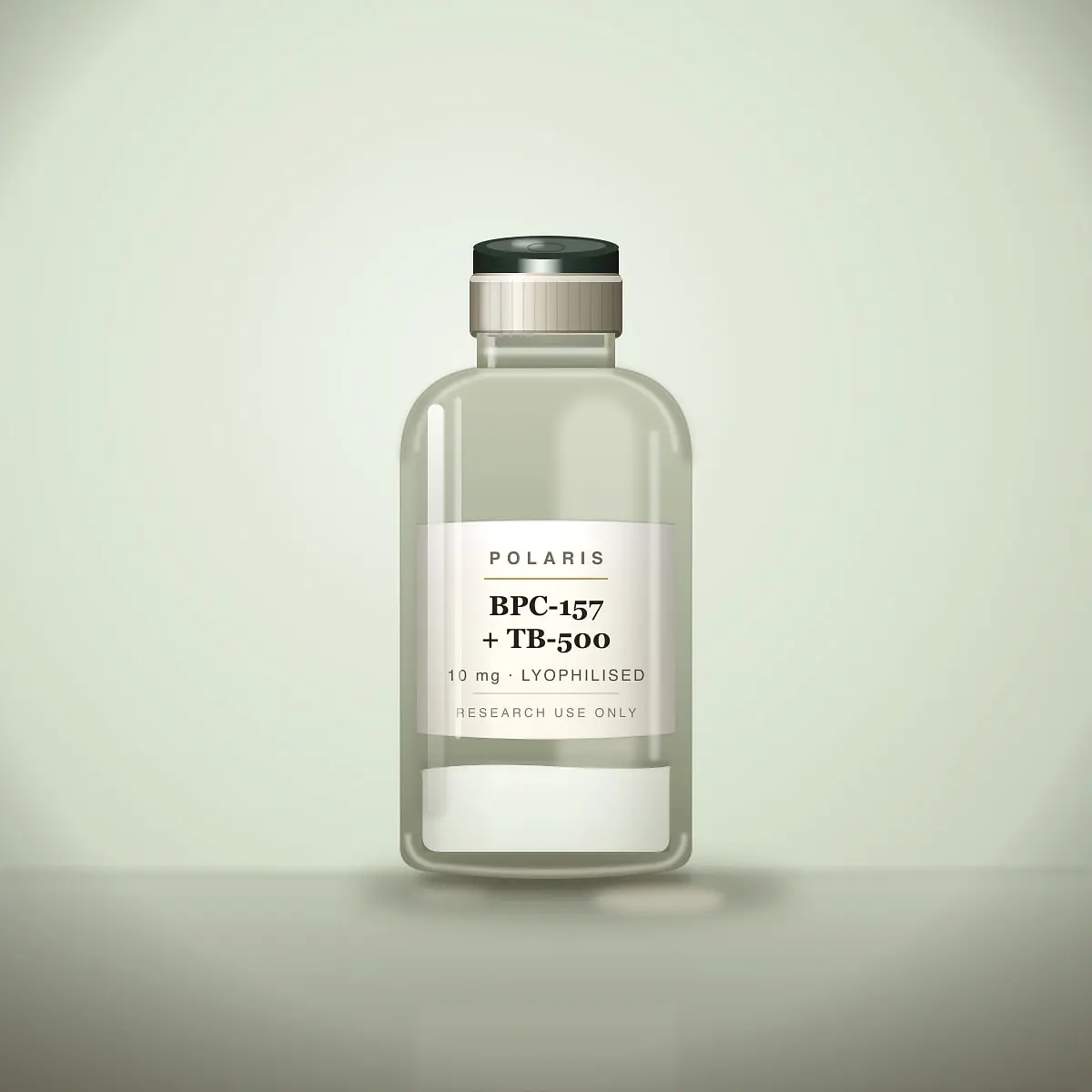
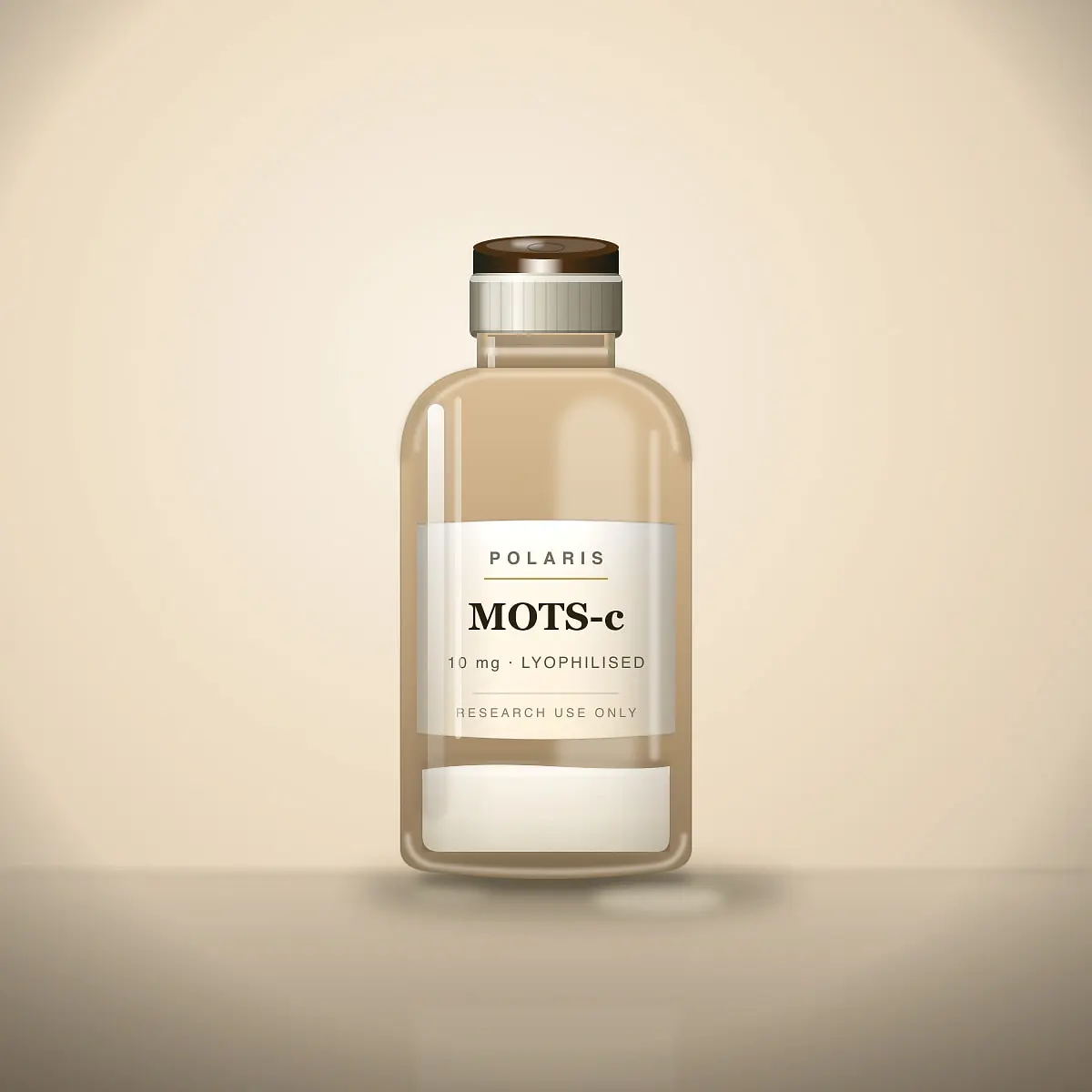

Use the published documentation and policies to check a specific batch or order.